PEOPL Foundation
PEOPL Foundation is a pioneering initiative dedicated to addressing climate change through an integrated, community-driven approach. Recognizing the urgent need for sustainable interventions, we focus on developing nature-based and technology-driven solutions that not only mitigate environmental damage but also enhance socio-economic resilience.
Our work revolves around restoring ecosystems, capturing carbon, and empowering communities through sustainable livelihood opportunities. By merging traditional ecological knowledge with cutting-edge innovations, we ensure that conservation efforts translate into long-term benefits for both people and the planet.
We believe that environmental conservation should not come at the cost of human progress. Instead, our mission is to create a harmonious balance where development is rooted in sustainability. Through strategic partnerships with governments, non-profits, research institutions, and local communities, we strive to implement projects that are impactful, scalable, and replicable across the globe.
At PEOPL Foundation, our commitment extends beyond immediate climate action—we aim to build a resilient future where ecosystems thrive, biodiversity flourishes, and communities prosper. Together, we can create a world where sustainability is not just an ideal but a reality.
01. Foster large - scale carbon sequestration through blue, green, and energy-based projects.
02. Protect and restore biodiversity while ensuring economic resilience for communities.
03. Develop innovative climate solutions that can be replicated globally.
04. Build a collaborative network of stakeholders to drive systemic environmental change.
05. Align with the United Nations Sustainable Development Goals(SDGs) to ensure global impact.


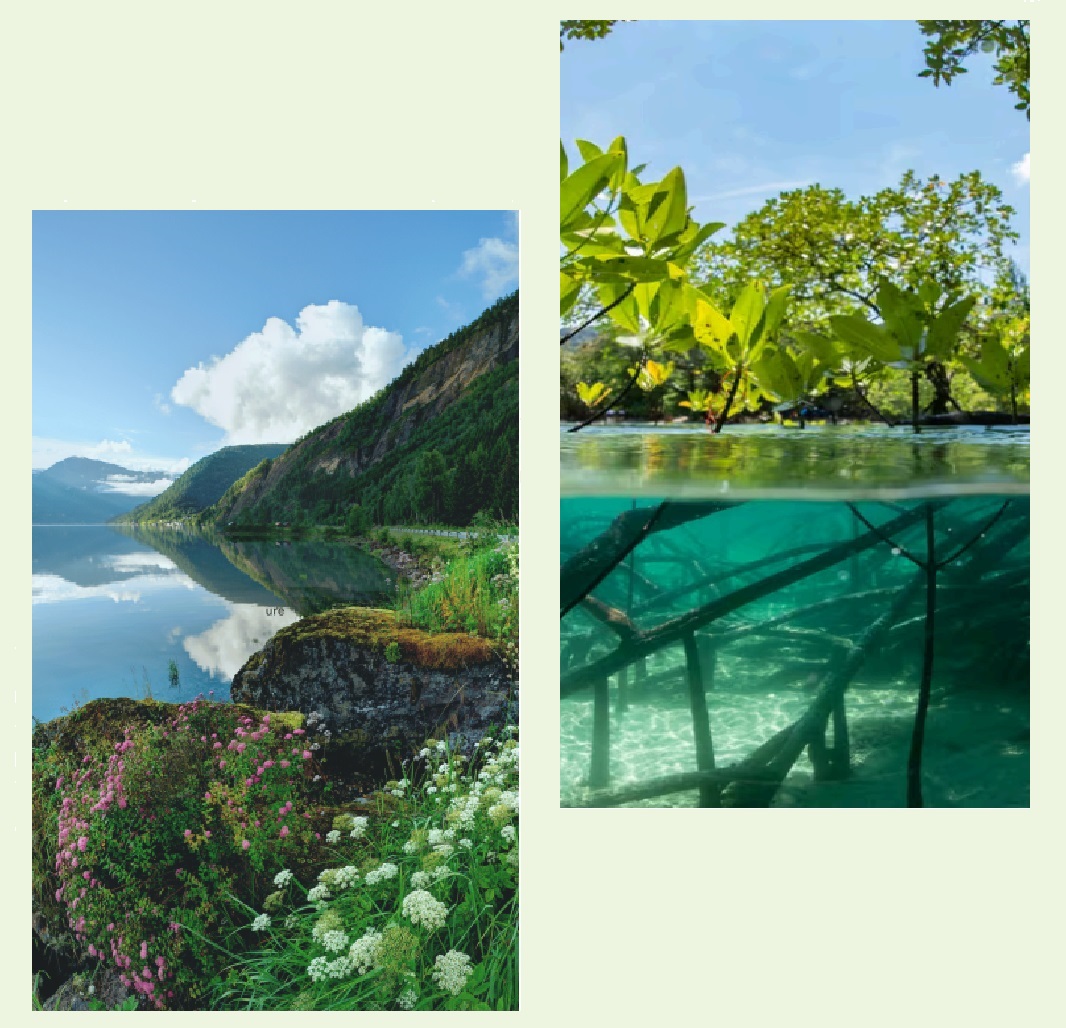
Regenerating forests, wetlands, and marine habitats through large-scale conservation projects.
Capturing and sequestering carbon using
innovative natural and technological solutions
Creating sustainable livelihood opportunities, providing training, and enhancing economic resilience
Partnering with governments, NGOs, businesses, and researchers to scale impactful, technology-driven
environmental solution
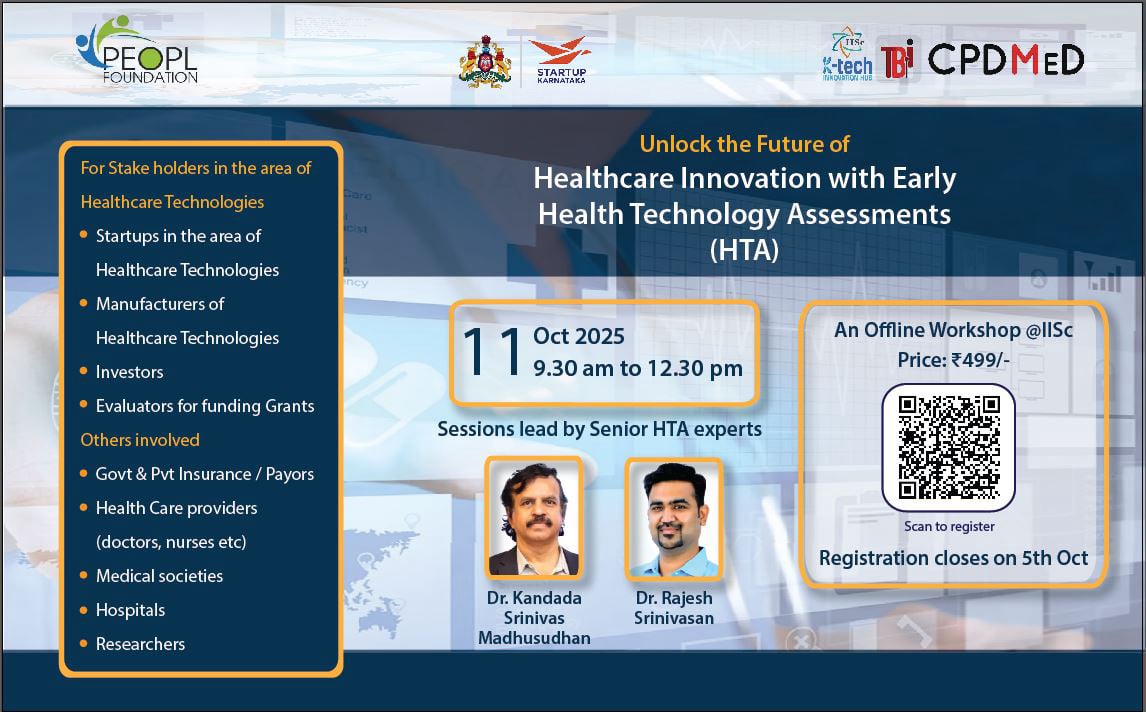
01 Early Healthcare Technology Assessment
In today's fast-paced healthcare landscape, making informed decisions is paramount. Health Technology Assessment (HTA) is not a regulatory step; it is a strategic advantage, empowering both innovative startups and forward-thinking funding agencies to build a healthier, more efficient future.
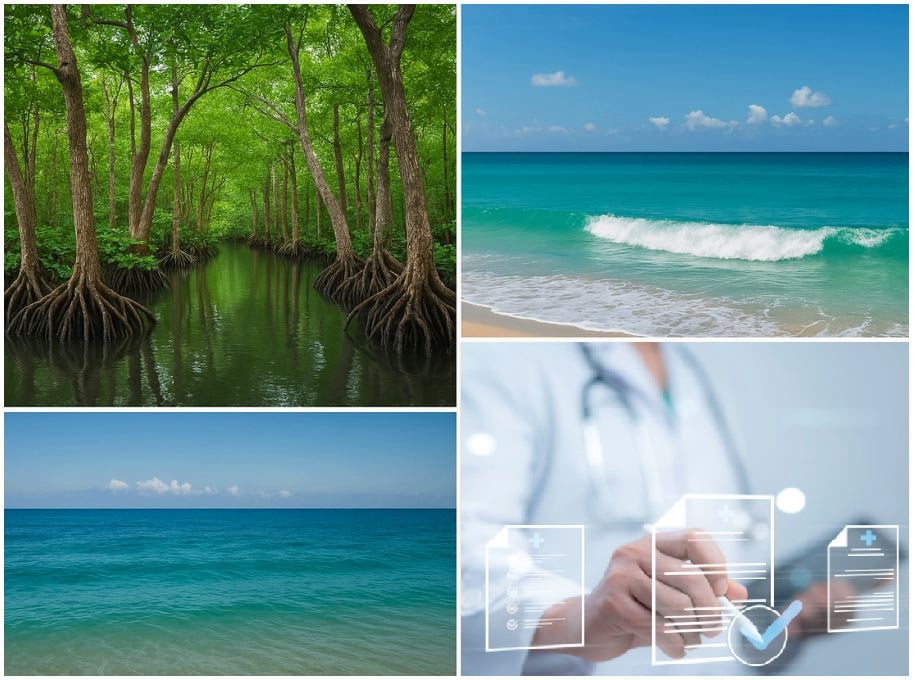
02 Blue Ocean (Mangrove Regeneration and Seaweed Farming)
The presentation includes details about the Blue Ocean Initiative, which focuses on using natural water-based ecosystems like mangroves and seaweed farms for carbon sequestration while supporting coastal communities. Mangroves store 4–5 times more carbon than tropical forests and act as buffers against natural disasters. Seaweed farms can sequester 3.21 MT of carbon per hectare per year and offer economic benefits through
food, pharmaceuticals, biofuels, and bioplastics. The initiative aims to rejuvenate mangroves and promote seaweed farming along the Konkan coast (Maharashtra, Goa, Karnataka) to enhance climate resilience and livelihoods.
03 Roots of Change: Transforming Landscapes Through Afforestation
the Rural Livelihood Support Program, which enhances rural economies, health, education, and biodiversity, and the Community Barren Land Transformation Program, which converts wastelands into biodiverse forests. The Clean and Green School Program fosters eco-consciousness by creating green campuses, while the Urban Plantation Program improves air quality and community well-being through tree planting in cities.
Additionally, the Mangrove Restoration Program focuses on revitalizing coastal ecosystems to protect shorelines and support marine life. The presentation also highlights technological innovations in afforestation, such as digital tree identities, blockchain-based tracking for transparency, and data-driven impact assessment. These initiatives align with global sustainability goals and emphasize clean technology solutions to ensure long-term environmental benefits.
For Visionary Startups developing the next big thing in healthcare, HTA helps to navigate the complex journey from concept to widespread adoption, ensuring innovation delivers real value where it counts.
With Early HTA Visionary Startups can
• De-Risk their Dream
• Magnetize Investors
• Fast-Track Market Access
For Strategic Funding Agencies looking to invest in healthcare innovations that truly transform healthcare, Early HTA provides the clarity and confidence needed to make strategic decisions that deliver significant returns—both financial and societal.
With Early HTA Strategic Funding Agencies can
• Invest with Precision
• Minimize Investment Risk
• Cultivate High-Value Innovation
• Enhance Accountability

The Blue Ocean Initiative focuses on leveraging aquatic ecosystems like mangroves and seaweed farms for carbon sequestration while improving coastal livelihoods. Mangroves
are exceptional carbon sinks, storing 4–5 times more carbon per hectare than tropical upland forests (692 t C/hectare). They also act as natural buffers against cyclones and tsunamis. Despite occupying less than 1% of the total area of tropical forests, mangroves contribute approximately 3% of global carbon sequestration.
Seaweed farms are another critical component of this initiative. They sequester about 3.21 MT of carbon per hectare annually and offer multiple economic benefits. Seaweed is a source of valuable phytochemicals used in pharmaceuticals, cosmetics, biofuels, and bioplastics. The global commercial seaweed market is projected to exceed $95 billion by 2027.
The initiative proposes collaborating with coastal communities along the Konkan coast (Maharashtra, Goa, Karnataka) for mangrove restoration and seaweed cultivation. This dual approach not only addresses climate change but also enhances economic opportunities for local communities through sustainable aquaculture practices.
The Rural Livelihood Support Program focuses on integrating afforestation with rural development by boosting local economies, improving healthcare and education, and promoting biodiversity. The program aims to enhance agricultural productivity, provide sustainable livelihoods, and create a healthier living environment for rural communities by planting trees and restoring degraded lands.
The Community Barren Land Transformation Program targets degraded and barren lands, converting them into thriving biodiverse forests. This initiative not only revitalizes ecosystems but also helps in soil stabilization, increases groundwater retention, and provides a habitat for wildlife. By transforming wastelands into green landscapes, the program supports long-term environmental conservation and improves local climate
conditions.
The Clean and Green School Program is designed to create eco-friendly school campuses by planting trees and incorporating environmental education. The goal is to instill a sense of responsibility in students towards nature and sustainability. By engaging young minds in afforestation efforts, the program fosters a generation of environmentally conscious individuals who can contribute to future conservation efforts.
The Urban Plantation Program focuses on increasing green cover in cities to enhance air quality, reduce the urban heat island effect, and promote community well-being. Urban afforestation plays a key role in mitigating pollution, providing shade, and improving mental health by creating more green spaces for recreation and relaxation.
The Mangrove Restoration Program aims to restore coastal ecosystems by planting mangroves, which serve as natural barriers against coastal erosion, storm surges, and rising sea levels. Mangroves also support marine biodiversity by providing breeding grounds for fish and other aquatic species, ensuring ecological balance and protecting livelihoods that depend on coastal resources.



Mon - Fri 09:00 - 18:00